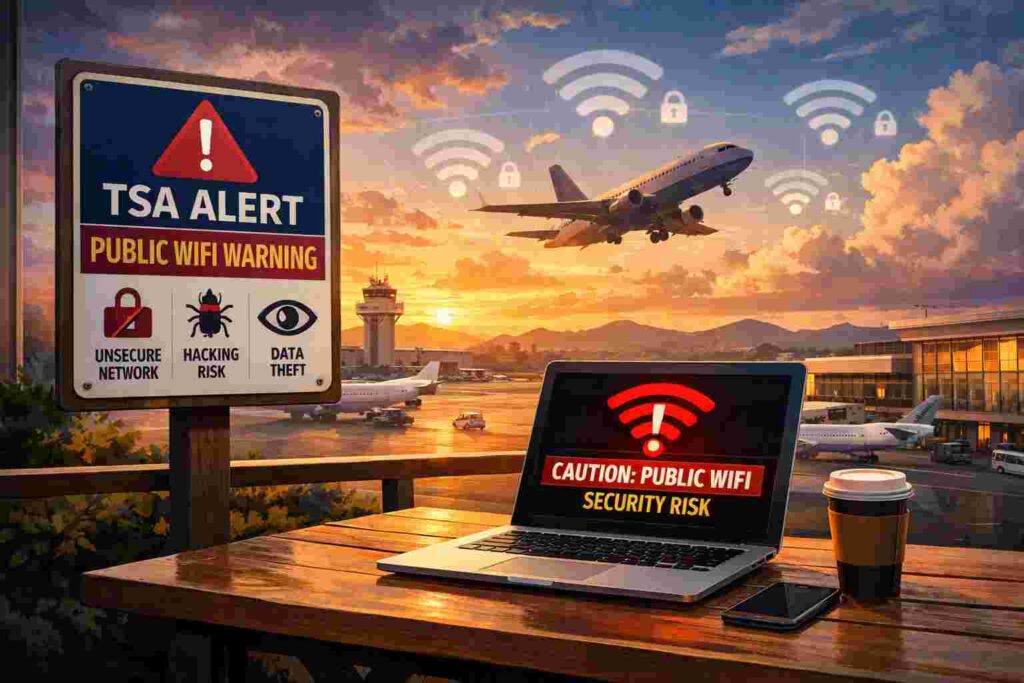
The TSA advisory frequently highlights personal hotspot tethering as the preferred alternative to airport wireless networks. From a pure security standpoint, cellular networks offer superior isolation. Modern 5G and LTE networks implement robust mutual authentication and end-to-end radio link encryption, making rogue cellular base stations far rarer and dramatically more expensive to deploy than Wi-Fi spoofing tools.
Cellular data, however, brings logistical challenges. In congested airport hubs, local cell towers often struggle to handle tens of thousands of simultaneous connections, resulting in dropped packets and unusable speeds. For international travelers flying across borders for events like the 2026 World Cup, activating home-carrier international roaming can cost $10 to $15 per day, with stringent data throttling applied after 500 megabytes.
Digital travelers are increasingly turning to prepaid travel eSIM profiles. Purchasing an inexpensive local data package from services like Airalo, Nomad, or Holafly before departure gives travelers affordable, high-speed cellular bandwidth. This approach eliminates the need to rely on suspicious captive portals during foreign layovers while avoiding roaming surcharges.

