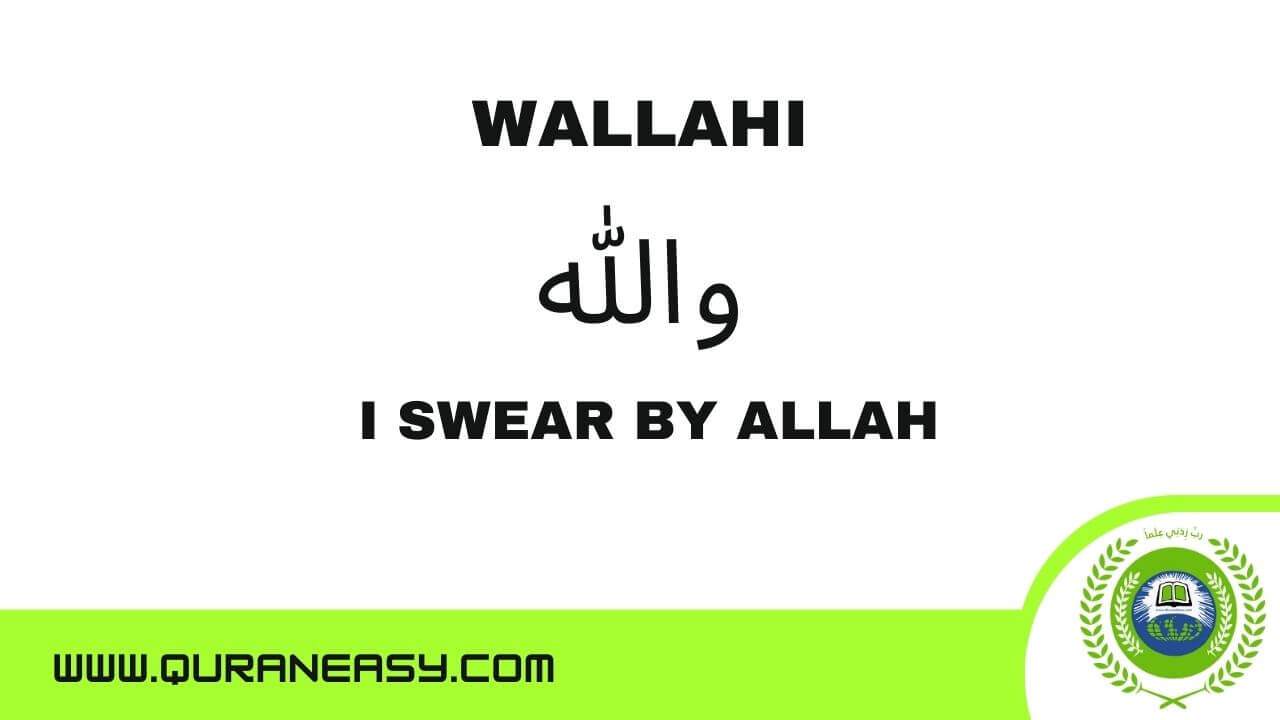
Language never stands still. As regional dialects and diaspora phrases circulate across borderless digital networks, words with centuries of theological weight inevitably collide with the casual irreverence of youth culture.
"Say wallah" remains an active flashpoint in this collision. For one group, it is an automatic, reflex-level speech tic picked up in school hallways and polished on mobile feeds. For another, it remains a sacred vow that holds their conscience accountable to the divine. Understanding both viewpoints does not require abandoning regional slang or policing everyday talk. It simply requires recognizing that behind two quick syllables lies an invocation that millions treat not as a casual meme, but as an article of faith.

