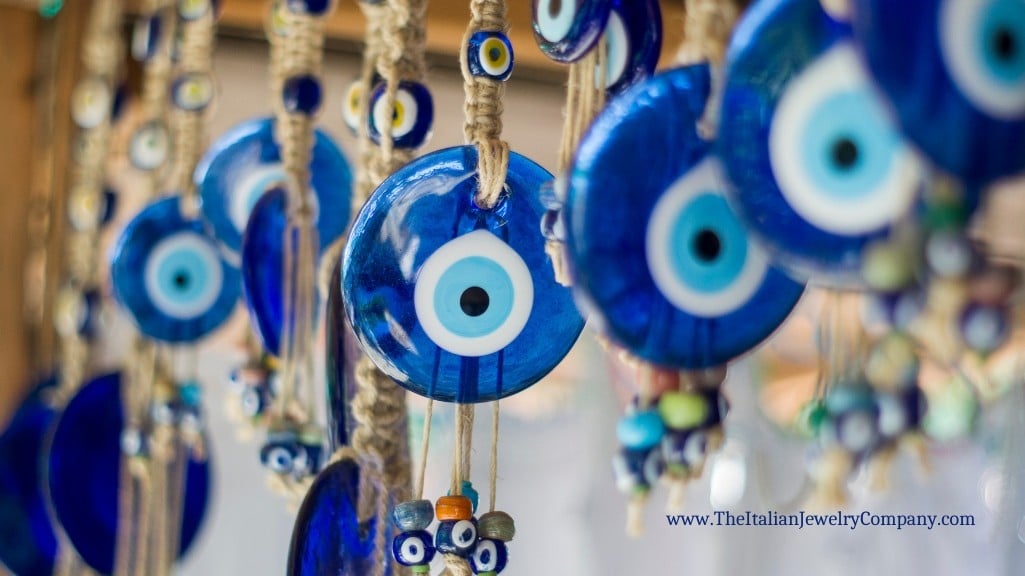
The survival of malocchio practices reveals a syncretic worldview that defies rigid religious categories. While the Catholic Church historically condemned divination and sorcery, it maintained a tacit truce with Italian folk medicine. Healers did not view themselves as witches or heretics. They began their rituals by invoking the Holy Trinity, Saint Anthony, or Saint Lucy, the patron saint of sight, weaving Christian liturgy into rites whose roots predate the Roman Empire.
In modern revivals of stregheria (traditional Italian witchcraft), practitioners explicitly reclaim these healing ceremonies as ancestral magic. Yet older practitioners in small Italian villages reject that categorization outright. To an 85-year-old grandmother in rural Abruzzo, dropping oil into water to dispel a neighbor's toxic jealousy is not witchcraft; it is basic domestic hygiene, as ordinary and necessary as boiling broth for a fever.
This pragmatic domestic healing system filled gaps left by formal institutions. Historically, impoverished Southern peasants faced predatory landowners and scarce, expensive medical care. A local healer offered accessible, compassionate attention. The ritual validated personal suffering, contextualized pain within community dynamics, and resolved interpersonal friction without requiring costly clinical intervention or formal ecclesiastical trials.

