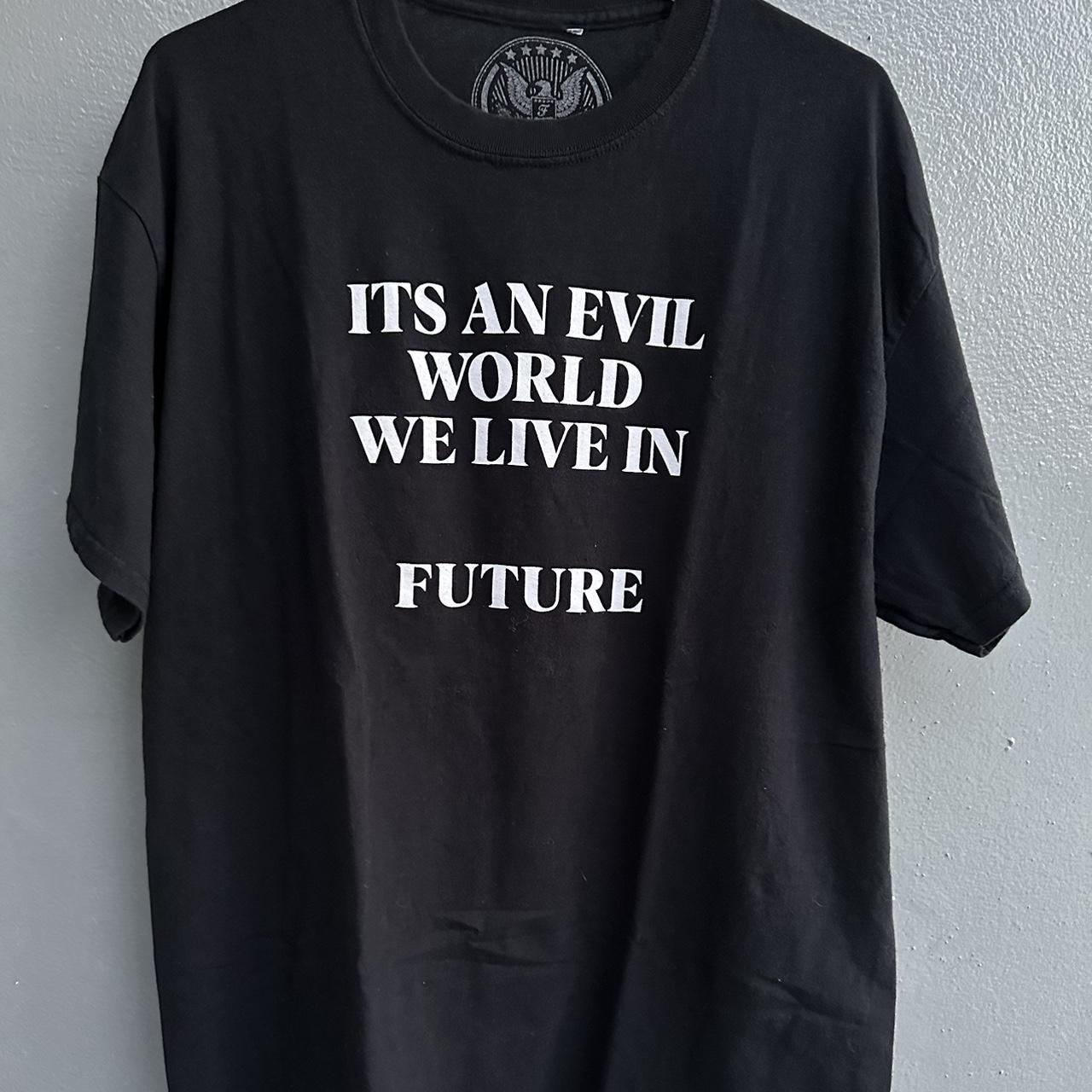
Hip-hop has always chronicled systemic neglect, from Grandmaster Flash's "The Message" in 1982 to 2Pac's political diatribes in the 1990s. Yet Atlanta trap music altered the delivery mechanism. Rather than protesting injustice through outward political activism, artists like Future internalized systemic pressure and reflected it as icy consumerism and chemical numbing.
Social commentary in hip hop rarely sounds like a policy paper today. On landmark records like Monster and DS2, Future framed the surrounding environment as inherently hostile and self-interested. His music treated loyalty as temporary and trust as an operational vulnerability.
Audiences once viewed that outlook as an exaggerated persona suited for dark club speakers. Today, ordinary workers find that same calculated indifference mirrored in corporate cultures, automated HR systems, and political double-speak. Cultural cynicism is no longer an artistic niche; it functions as an everyday coping mechanism.

