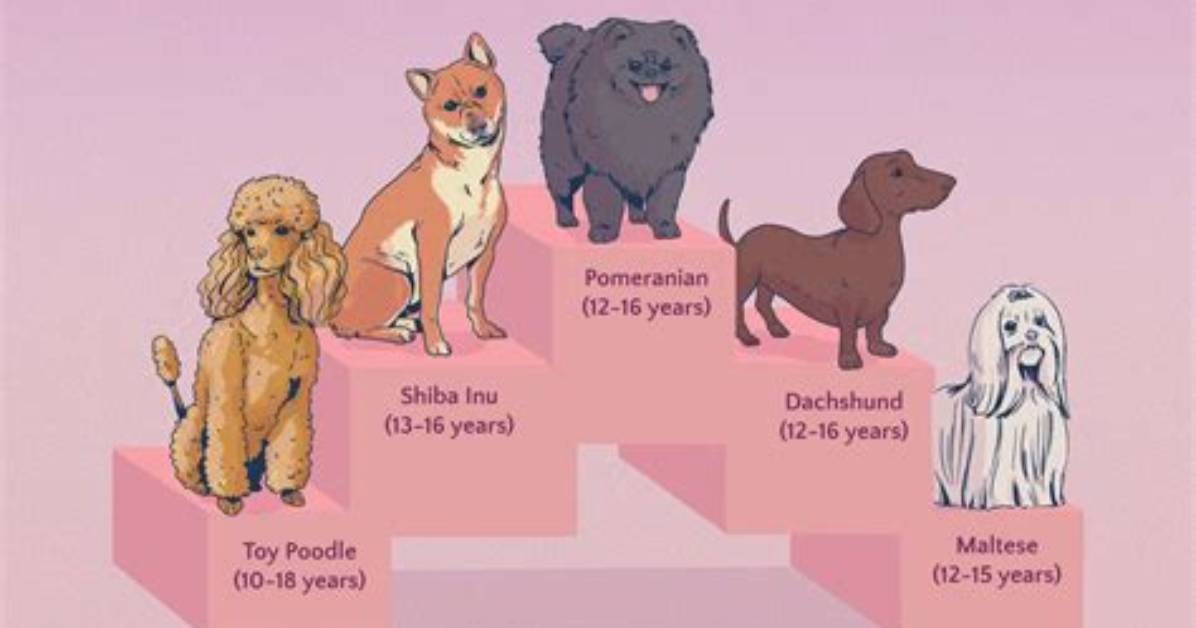
The updated 2026 canine mortality studies aggregate records from millions of patient visits across European and North American primary care clinics. Rather than relying on self-reported owner surveys, these actuarial registries evaluate median age at death alongside confirmed morbidities. Dachshunds placed ninth overall among purebred dogs, rubbing shoulders with the Chihuahua, Toy Poodle, and Jack Russell Terrier.
Body mass drives this hierarchy. Small dog mortality rates are consistently lower across all developmental phases compared to large or giant breeds. A Great Dane metabolizes at a frantic rate, burning through cellular divisions and showing elevated levels of the growth hormone IGF-1, which accelerates both aging and neoplastic transformations. Dachshunds operate under the opposite biological strategy.
Their endocrine systems demand modest baseline energy outputs. This slower biological cadence delays cellular senescence and postpones the onset of systemic organ failure. While large dogs begin experiencing geriatric decline at age six or seven, a dachshund at that same milestone is firmly in late adulthood, showing negligible cardiovascular or renal decline.

