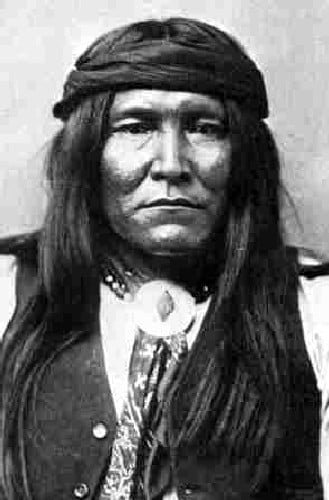
On June 8, 1874, Cochise died, likely from abdominal cancer, surrounded by his family in the Dragoon Mountains. His warriors rode his favorite horse over his burial site in a hidden crevice, erasing every footprint to ensure grave robbers and military personnel would never desecrate his remains. To this day, the precise resting place of Cochise remains known only to the mountains.
The peace died with him. Within two years of Cochise's passing, political pressure from white settlers and mining syndicates in Tucson led the federal government to abolish the Chiricahua Reservation. Under the "concentration policy," the Department of the Interior ordered the forced removal of all Chiricahuas to the arid, malaria-ridden flats of the San Carlos Reservation, a barren compound Apaches called "Hell's Forty Acres."
This betrayal split the tribe. While Cochise’s sons, Taza and Naiche, attempted to navigate compliance, a hardline faction refused to accept internment. Among them was a fierce medicine man named Geronimo, who took up the tactical blueprint Cochise had perfected, using the Sierra Madre and the Dragoon ranges to launch another decade of explosive resistance. Where Cochise had united his people behind strategic territorial defense, Geronimo fought a running, desperate war of survival that ended with final surrender in 1886.

