Deterrence strategies faced operational challenges outside the Persian Gulf as well. CNBC confirmed that the United States military redeployed its strategic bomber fleet from RAF Fairford in the United Kingdom following intelligence warnings of suspected terror plots. The departure of these long-range airframes removed a highly visible component of American strike posture in the European and Middle Eastern theaters.
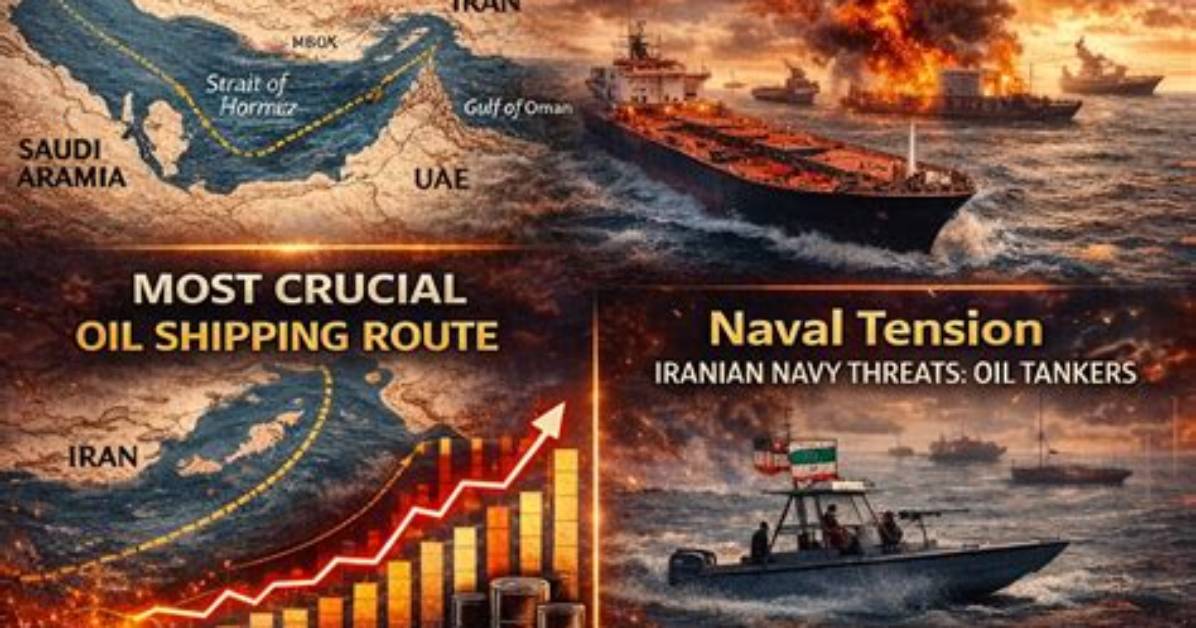
Almost simultaneously, maritime monitoring centers logged fresh strikes against commercial tankers off the Iranian coastline. Attack drones and low-profile explosive watercraft targeted vessels carrying crude from non-aligned export terminals. The strikes demonstrated Tehran's strategy: whenever American air assets shift posture or diplomatic terms stall, maritime harassment escalates along commercial sea lanes.
The strikes spared Qatari LNG vessels while singling out specific oil carriers, revealing deliberate economic targeting. Iranian military planners recognize that an absolute closure of Hormuz would alienate Beijing, the primary buyer of Iranian discounted crude and a vital diplomatic supporter. Tehran selectively pressures Western energy supplies while preserving critical LNG passages toward East Asia.

