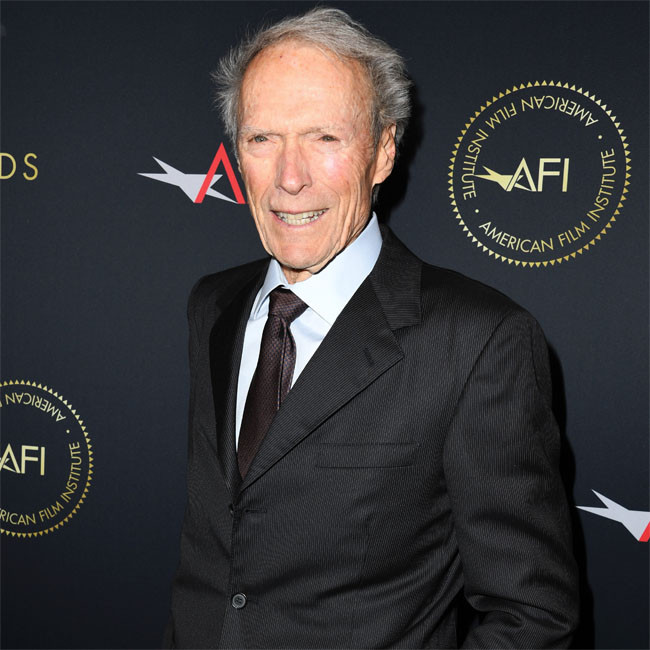
The mechanism behind this false alarm is common in digital journalism. When an accomplished behind-the-scenes figure dies, editors must mention their famous clients to explain their cultural relevance to everyday readers. A headline stating simply that a publicist died draws little engagement. Adding names like Barbra Streisand or Clint Eastwood provides immediate context, but it introduces linguistic ambiguity.
Mobile news feeds compress headlines. Mobile alert windows often truncate descriptions after eight words. A push notification that reads "Dick Guttman, longtime Hollywood publicist to Barbra Streisand and Clint Eastwood, dead at..." cuts off precisely where a reader's eye glances. The brain registers the most recognizable name paired with the word "dead," and the reaction is instantaneous.
Social media algorithms prioritize speed over nuance. As soon as thousands of readers run parallel searches to verify a rumor, search volume spikes. Trend monitoring software interprets the sudden activity as breaking news, pushing the query to other users' discovery feeds. The rumor creates its own momentum entirely detached from reality.

